COVENTRY UK
COVENTRY
HomeSeismicSoil Liquefaction Analysis

Soil Liquefaction Analysis in Coventry

Evidence-based design. Reliable delivery.

LEARN MORE

Coventry sits on a varied geology of glacial till, alluvial sands, and river terrace deposits that can be susceptible to liquefaction under seismic loading. With a population exceeding 370,000 and ongoing urban regeneration, understanding this risk is critical before any foundation design. Our soil liquefaction analysis evaluates the cyclic strength of granular layers using SPT-based correlations and vs30/" data-interlink="1">shear wave velocity measurements. We combine field data with advanced laboratory testing to identify zones where loose, water-saturated sands might lose bearing capacity during an earthquake. This assessment is essential for projects near the River Sherbourne or in areas with high groundwater levels. Before proceeding, we often recommend a complementary MASW-Vs30 survey to map stiffness profiles across the site, and a CPT sounding for continuous stratigraphic detail.
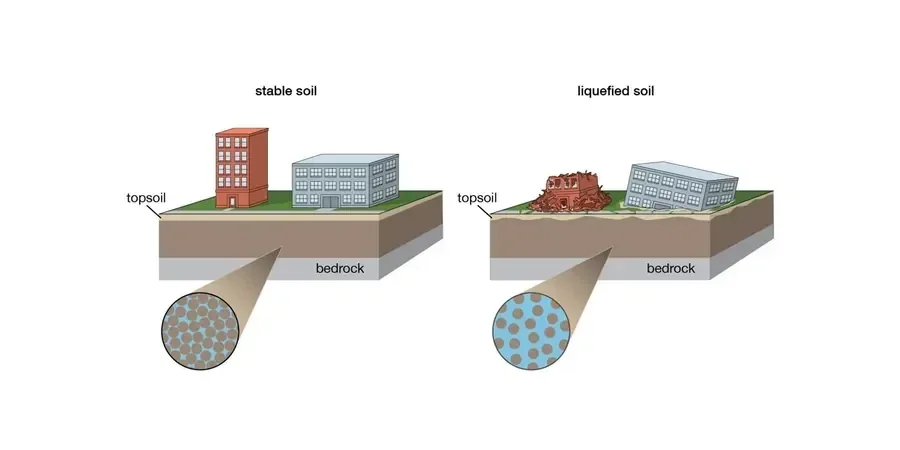
Illustrative image of Soil liquefaction analysis in Coventry
In Coventry's alluvial soils, a 1m rise in groundwater can double the liquefaction potential of loose sand layers.
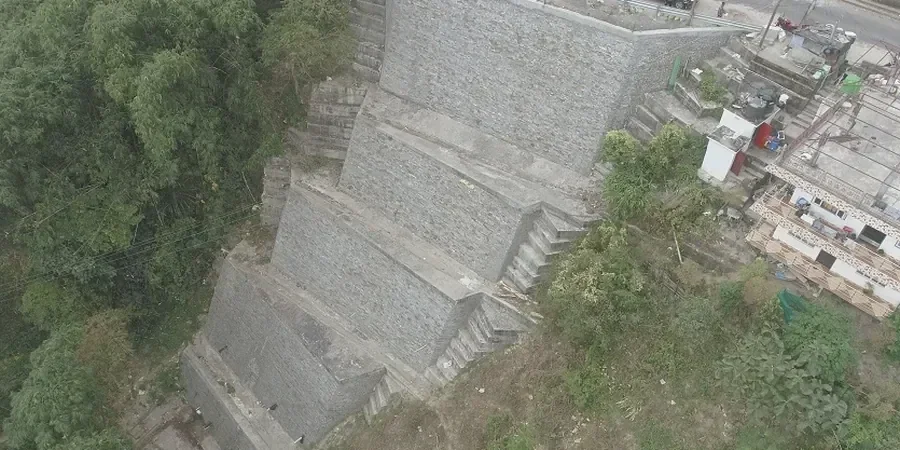
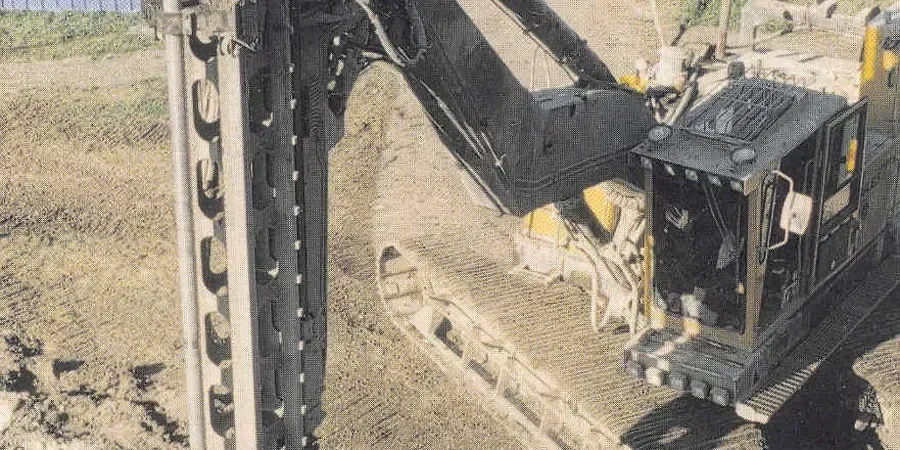
Our service areas

Process overview

A common mistake in Coventry is assuming that only deep foundations need liquefaction checks. Shallow footings on loose alluvium can settle unevenly if the soil loses strength. Our approach follows the NCEER (Youd-Idriss 2001) methodology, which compares the cyclic resistance ratio (CRR) with the cyclic stress ratio (CSR) induced by a design earthquake. We also evaluate post-liquefaction settlement and lateral spreading potential. Key parameters include:
  • Fine content correction factors from sieve and hydrometer tests
  • Overburden stress normalisation for N-SPT values
  • Magnitude scaling factors for the UK's moderate seismicity
For riverfront developments, we integrate groundwater monitoring data to assess seasonal water table fluctuations that can trigger liquefaction in otherwise stable sands.
Technical reference — Coventry

Local context

Coventry's post-war reconstruction saw extensive infill of former industrial land along the River Sherbourne valley. Many sites contain made ground overlying soft alluvial deposits that can liquefy during a seismic event. The 2002 Dudley earthquake (ML 4.8) demonstrated that moderate shaking can trigger pore pressure build-up in saturated sands across the West Midlands. Without a site-specific soil liquefaction analysis, designers risk differential settlement beneath structures or buoyancy failure of buried tanks. We map liquefaction-prone zones using a combination of SPT blow counts, cone penetration resistance, and groundwater depth data, then recommend mitigation measures such as Improvement or deep foundations.

Need a geotechnical assessment?

Reply within 24h.

Email: contact@geotechnical-engineering.biz

Visual overview


Reference standards

NCEER (Youd-Idriss 2001) – SPT-based liquefaction evaluation, Eurocode 8 (EN 1998-5:2004) – seismic design of foundations, BS EN 1997-2:2007 – ground investigation and testing, BS EN ISO 22476-3 – standard penetration test

Technical parameters


ParameterTypical value
Cyclic Resistance Ratio (CRR)0.08 – 0.35 (clean sands)
Cyclic Stress Ratio (CSR)0.10 – 0.30 (M=5.5 earthquake)
Factor of Safety against Liquefaction> 1.2 (acceptable)
Post-liquefaction volumetric strain1% – 5% (loose to medium dense)
Shear wave velocity Vs30 (m/s)180 – 360 (Site Class D)

Top questions

What is soil liquefaction and why does it matter in Coventry?

Soil liquefaction occurs when water-saturated loose sands lose strength during earthquake shaking, behaving like a liquid. In Coventry, the alluvial and river terrace deposits near the Sherbourne and Sowe valleys are prone to this phenomenon, especially where groundwater is shallow. Without analysis, buildings can suffer differential settlement or tilt.

How much does a soil liquefaction analysis cost in Coventry?

The typical cost for a comprehensive soil liquefaction analysis in Coventry ranges from £1.820 to £3.390, depending on site area, number of boreholes, and laboratory testing required. This includes SPT fieldwork, laboratory cyclic tests, and a detailed report with mitigation recommendations.

Which earthquake scenario is used for design in the West Midlands?

We use a peak ground acceleration (PGA) of 0.06g to 0.10g for a 475-year return period, as per UK National Annex to EC8. The design earthquake magnitude is typically M=5.5, based on historical seismicity around the Midlands.

Can liquefaction occur without an earthquake?

Yes, though rare. Vibrations from heavy construction equipment, blasting, or pile driving can trigger localised liquefaction in very loose saturated sands. Our analysis evaluates both seismic and construction-induced scenarios.

What mitigation measures are effective for Coventry soils?

Common solutions include vibro stone columns to densify loose sands, deep soil mixing to increase cohesion, and structural solutions such as deep piles reaching non-liquefiable strata. We recommend the most cost-effective method after analysing the specific site conditions.

Location and service area

We serve projects across Coventry.

Location and service area