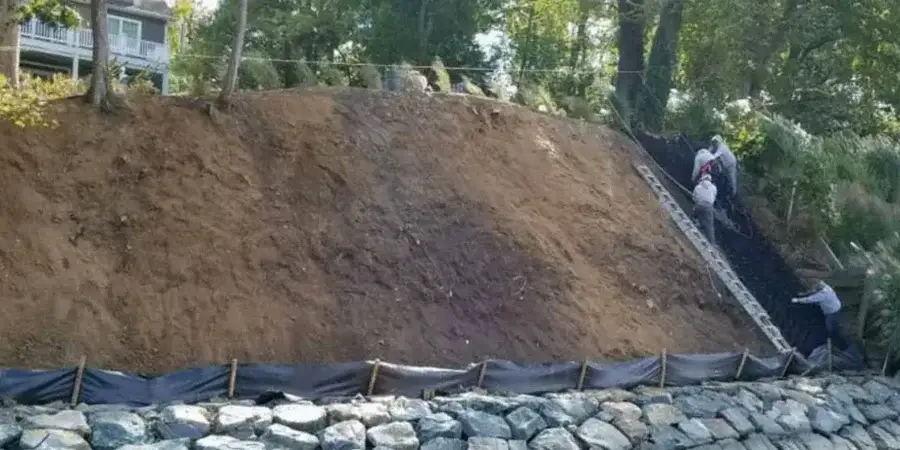
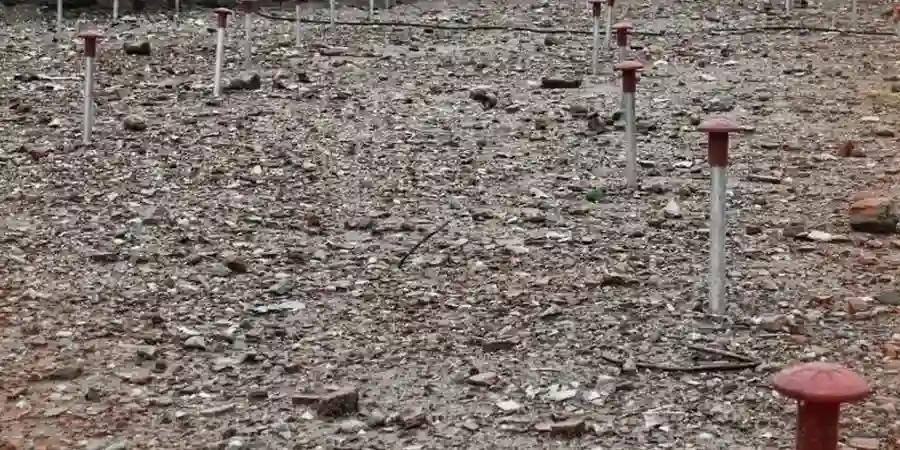
A recent six-storey residential block near Coventry University’s technology park required a detailed settlement analysis after initial boreholes revealed 4 m of soft alluvial clay over stiff Keuper Marl. The structure’s shallow raft foundation would have induced differential settlements exceeding 25 mm without mitigation. Our team simulated consolidation using oedometer data and a 2D finite-element model calibrated to local groundwater levels. Before finalising the foundation design, the engineer requested a complementary plate load test to verify the modulus of subgrade reaction, and a permeability field test to refine drainage assumptions. The combination of laboratory consolidation curves and in‑situ stiffness measurements allowed us to reduce predicted total settlements from 40 mm to an acceptable 18 mm under service loads.
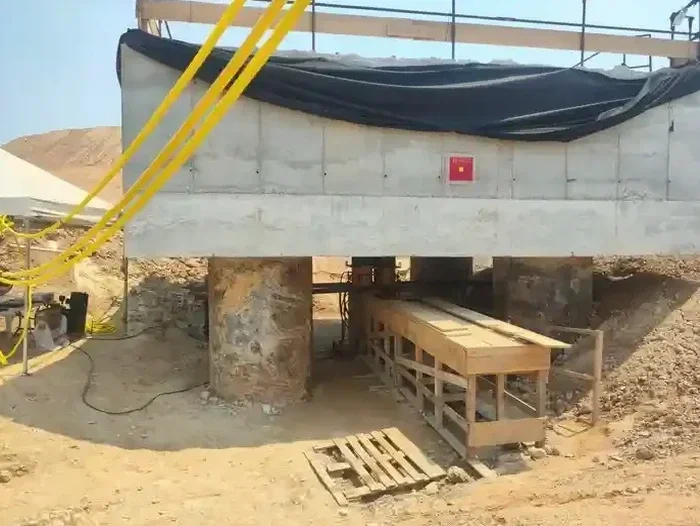
Where Mercia Mudstone weathers to soft clay, consolidation rates can be 40 % slower than standard oedometer tests suggest, demanding site‑specific calibration.