COVENTRY UK
COVENTRY
HomeSlopes & WallsDebris Flow Analysis

Debris Flow Analysis in Coventry – Expert Geotechnical Laboratory Services

Evidence-based design. Reliable delivery.

LEARN MORE

Many construction teams in Coventry assume that steep slopes only fail after heavy rain. That is a dangerous oversimplification. Debris flows can start with moderate rainfall when the soil profile is already saturated. We have seen projects stall because the original ground investigation missed the presence of colluvium layers. A proper debris flow analysis identifies the trigger mechanisms, the travel path, and the deposition zone. Without it, you are building blind on unstable ground.
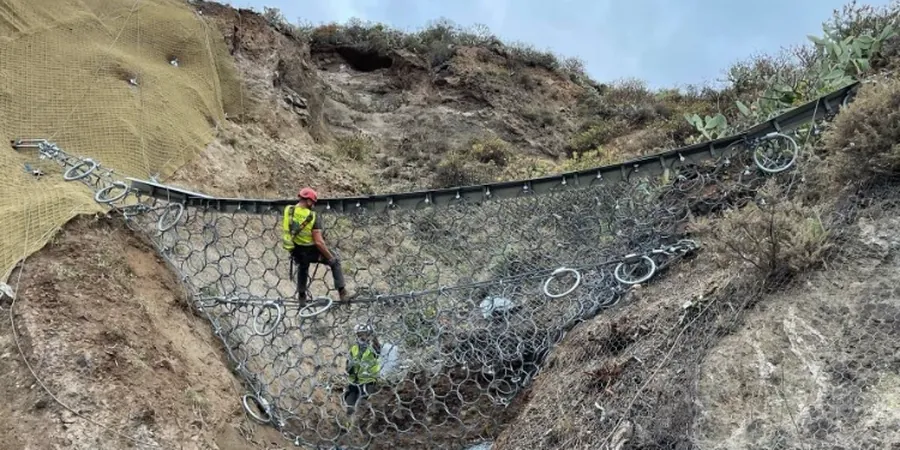
Illustrative image of Debris flow analysis in Coventry
Understanding the soil layering and permeability is the difference between a safe slope and a costly failure in Coventry.

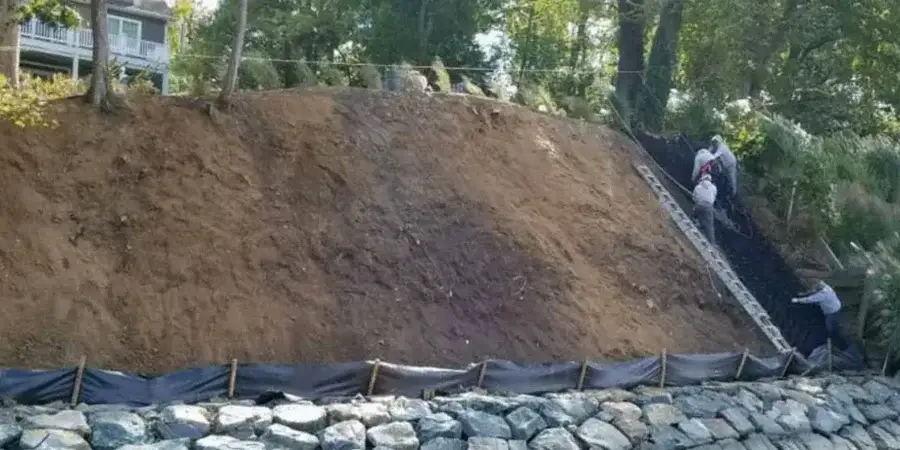
Our service areas

Process overview

The geology of Coventry differs noticeably between the city centre and the southern suburbs near the River Sowe. Central areas often show firm glacial till over mudstone, while the southern slopes hold sandy colluvium with higher permeability. That contrast changes how a debris flow initiates and how far it travels. We combine field mapping with a soil classification to understand the material type and its behaviour when wet. For deeper profiles we use CPT soundings to detect loose layers that could fail. The result is a clear picture of the hazard specific to your site.
Technical reference — Coventry

Local context

In Coventry we often see that the main risk is not the initial slide but the debris that keeps moving downslope after the first failure. The material can travel fast and hit structures far from the source. Builders sometimes underestimate the run-out distance. A full debris flow analysis maps the entire path and identifies vulnerable zones. We use back-analysis of local events to calibrate our models. That local knowledge makes the assessment more reliable than generic calculations.

Need a geotechnical assessment?

Reply within 24h.

Email: contact@geotechnical-engineering.biz

Reference standards


BS 5930:2015 – Code of practice for ground investigations, Eurocode 7 (EN 1997-1:2004) – Geotechnical design, FHWA-NHI-08-070 – Rock and soil slope stability

Technical parameters

ParameterTypical value
Soil type and classificationGranular colluvium, glacial till
Critical rainfall threshold25 mm in 24 hours
Travel distance estimate50 m to 300 m
Deposition zone width15 m to 60 m
Factor of safety (static)1.2 to 1.5
Bulk density range1.6 to 2.0 t/m³

Top questions


When is a debris flow analysis required for a site in Coventry?

It is needed for any development on or below a slope steeper than 15 degrees, especially if the slope has a history of instability or is covered by colluvial soils. Local planning authorities often request it for hillside sites.

How much does a debris flow analysis cost in Coventry?

The typical range is between £990 and £3,060 depending on site complexity, number of boreholes, and modelling requirements. We provide a fixed quote after the initial site walkover.

What standards do you follow for debris flow analysis?

We follow BS 5930:2015 for ground investigation and Eurocode 7 for the design calculations. Our modelling methods align with FHWA guidelines for debris flow run-out.

How long does the analysis take from start to finish?

A standard assessment takes three to four weeks. Urgent projects can be completed in two weeks if we already have access to the site and existing borehole data.

Can you work with existing borehole logs from previous investigations?

Yes. We review existing logs and supplement them with targeted sampling if needed. This reduces cost and avoids duplicating work already done on the site.

Location and service area

We serve projects across Coventry.

Location and service area