COVENTRY UK
COVENTRY
HomeInvestigationEnsayo CPT (Cone Penetration Test)

CPT (Cone Penetration Test) in Coventry – Site Investigation for Safer Foundations

Evidence-based design. Reliable delivery.

LEARN MORE

A new apartment block on Holyhead Road needed foundation design within weeks. The site had clay over sand, a typical profile across Coventry. We mobilised a 20-tonne CPT rig to push a cone through 18 metres of ground. The continuous electronic log gave us tip resistance and sleeve friction every 2 cm. That data fed directly into settlement calculations and pile design. No delays, no drilling debris. For shallow footings we often combine this with a plate load test to verify bearing capacity on stiff clays. The developer got a clear geotechnical model in under 48 hours. That is the speed and precision you can expect from our Coventry team.
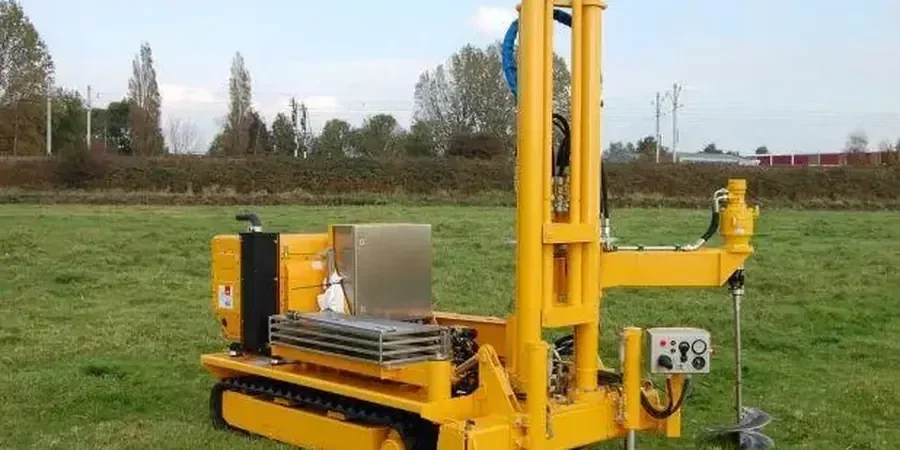
Illustrative image of CPT (Cone Penetration Test) in Coventry
A 20-tonne CPT rig can profile 18 metres of ground in Coventry in less than 48 hours, delivering continuous data for safe foundation design.

Our service areas

Process overview

BS 5930:2015 and Eurocode 7 (EN 1997-1:2004) govern how we execute and interpret every CPT in Coventry. The test measures cone resistance (qc) and sleeve friction (fs) in real time. We compare those values against the Robertson 1990 chart to classify soil layers. For Coventry's variable drift geology, this method picks up thin sand lenses that SPT would miss. We also record pore pressure (u2) when the piezocone is used. That helps assess drainage conditions and consolidation behaviour. Our rig pushes up to 25 metres in soft ground. A typical run across a Coventry brownfield site takes half a day. The client receives a PDF report with logs, interpretation, and bearing capacity estimates. We cross-check results with borehole logs from SPT when the project requires a complete picture.
Technical reference — Coventry

Local context

Coventry sits on glacial till over Mercia Mudstone. That sequence hides stiff clay lenses, sand pockets, and occasional cobbles. A single SPT blow count can miss a thin sand bed. If you design a pile based on average values, you risk differential settlement. More than 40% of Coventry's inner ring road was built on variable fill from post-war rebuilding. Without a continuous profile like CPT, you simply cannot see the layering. We have mapped these deposits across 50+ sites in the city. The cost of ignoring a weak seam far outweighs the price of one CPT push. Protect your project with real data.

Need a geotechnical assessment?

Reply within 24h.

Email: contact@geotechnical-engineering.biz

Visual overview


Reference standards

BS 5930:2015 – Code of practice for ground investigations, Eurocode 7 (EN 1997-1:2004) – Geotechnical design, BS EN ISO 22476-1 – Standard test method for electronic cone penetration testing

Technical parameters


ParameterTypical value
Cone tip resistance (qc)0.5 – 25 MPa (typical range for Coventry clays/sands)
Sleeve friction (fs)10 – 250 kPa
Pore pressure (u2) – piezocone0 – 500 kPa resolution
Penetration depthUp to 25 metres (depends on ground hardness)
Soil classification methodRobertson 1990 / SBTn chart
Data logging intervalEvery 2 cm continuous
Inclination correctionReal-time tilt sensors, std < 2°

Top questions

How does CPT differ from SPT in Coventry soils?

CPT provides a continuous profile while SPT gives discrete blow counts every metre. In Coventry's layered glacial till, CPT picks up thin sand or gravel lenses that SPT can miss. The electronic cone also measures sleeve friction and pore pressure, which help classify soil type and assess drainage conditions more accurately.

What is the typical cost for a CPT in Coventry?

A standard mechanical CPT to 15 metres typically ranges between £120 and £150 per linear metre. A full piezocone CPTU to 25 metres costs between £180 and £220 per linear metre. These prices include mobilisation within Coventry, real-time logging, and a full interpretation report. Volume discounts apply for multiple test points.

Can CPT be used on Coventry brownfield sites with buried obstructions?

Yes, but we always review existing site records first. If the fill contains rubble or old foundations, we may pre-auger or use a smaller cone. The rig's inclination sensors stop the push if tilt exceeds 2 degrees. For heavily obstructed ground, we recommend a trial pit or georadar survey before the CPT.

How long does a typical CPT investigation take on a Coventry development?

A single push to 18 metres takes about 2 to 4 hours on site, including setup and rod retrieval. For a standard residential plot with 3 to 5 test points, we usually complete all fieldwork in one day. The full geotechnical report with logs and bearing capacity calculations is delivered within 5 working days.

Location and service area

We serve projects across Coventry.

Location and service area