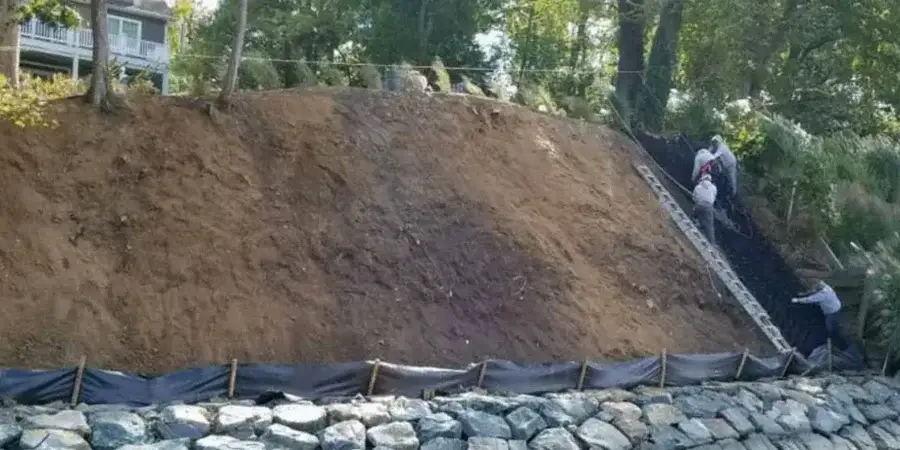
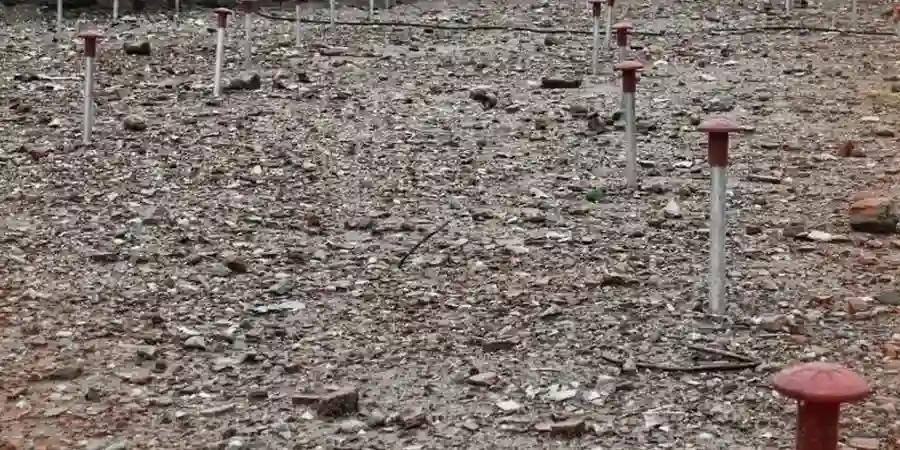
Coventry’s post-war reconstruction created a dense urban fabric built over glacial till and river terrace deposits. These soils, often stiff clays interbedded with sands and gravels, govern how quickly water can drain — a critical factor for soakaway design and sustainable drainage systems. In our track record, a site-specific infiltration test is the only reliable way to determine the actual percolation rate before signing off on drainage layouts. We follow the Porchet method for shallow pits and the double-ring infiltrometer for a more controlled surface measurement, always cross-referencing results with the local geology. For deeper profiles, we recommend pairing the test with a density cone and sand replacement to verify compaction, or a plate load test when bearing capacity is also in question.
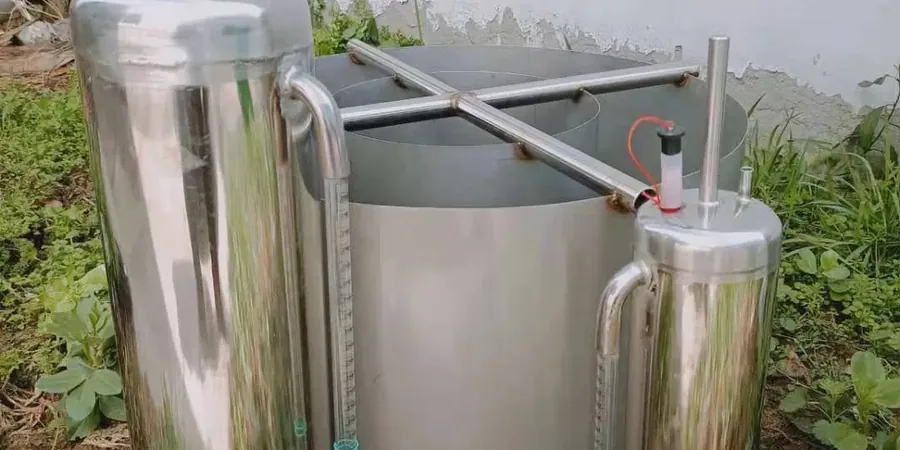
A double-ring infiltrometer controls lateral seepage better than a single ring, giving a true vertical hydraulic conductivity for Coventry’s layered glacial soils.